
In this article, you can discover… The possible penalties for shoplifting or retail theft in California. Early actions that can help strengthen your defense. Mistakes to avoid after being arrested for shoplifting, and how an attorney can help. What Penalties Can I Face After A Shoplifting Arrest Or Retail Theft Charge In California? In California, the penalty for stealing anything less than $1,000 in value has come down immensely. Such a theft would be classed as "petty theft” and is a misdemeanor. Anything over $1,000 is usually classed as “grand theft”. Penalties for a conviction could include up to 180 days in jail, restitution (having to pay back the value of what you stole to the store or stores), being permanently banned from the store where the theft occurred, community service, or one year of probation. In many cases, especially if this is your first conviction for theft, California courts will give you a diversion, allowing you to see charges…Read More

In this article, you can discover… The definition of “constructive possession” under California law. The types of evidence that prosecutors rely on to prove drug possession charges. Defenses that may apply after you are caught with drugs that are not your own. What Is “Constructive Possession” Under California Drug Possession Laws? “Constructive possession” applies when illegal items, such as drugs, are found in your vehicle, home, or apartment and are therefore assumed to belong to you. The drugs may not belong to you at all; they may belong to a friend who rode in the backseat of your vehicle last night. But because they were found in your car, the burden is now on you to prove those drugs were not yours. For example, I had a recent case where a client was renting a room in his home to someone, and this person had some weapons. They weren't storing these weapons in the rented room, however, but in a…Read More
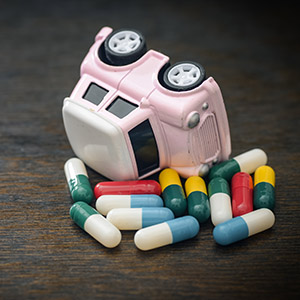
In this article, you can discover… Whether legally prescribed medication can lead to a DUI charge. If field society tests are reliable for prescription medication impairment. How a DUI attorney can help challenge the evidence against you. Can I Get A DUI For Using Legally Prescribed Medication? Yes, you can get a DUI for being under the influence of legally prescribed medications. California prohibits people from driving under the influence of alcohol or drugs, and this includes lawful prescription drugs as well as illegal drugs— the law does not differentiate between the two for the purposes of a DUI. Essentially, if you can not operate a motor vehicle safely when on your prescription medication, a DUI is possible. You may argue that you didn’t know the medication would impact you that way. But if there is a warning label on your medication that says, “Do not drive or operate heavy machinery” or “May cause drowsiness”, the courts will typically see…Read More
In this article, you can discover… The possible immigration consequences of a misdemeanor vs. felony DUI. Whether a DUI arrest can threaten your green card status. How an attorney can help you navigate DUI charges as an immigrant. What Are The Immigration Consequences Of A Misdemeanor Versus A Felony DUI In California? The immigration consequences of a DUI for non-citizens in California appear to be changing quickly. In the past, misdemeanor DUIs did not have much of an impact on immigration status. Today, it is advised to keep any and all DUI convictions off your record as a non-citizen, including those of a misdemeanor DUI. A single felony DUI conviction, especially if someone was hurt or killed as a result of your impaired driving, can lead to your deportation. As a result, it is incredibly important to be sure that an experienced DUI defense lawyer handles your case, ideally allowing DUI charges to be dropped or reduced to a lesser…Read More
In this article, you can discover… How long a drug diversion program lasts in California. The types of education offered in California drug diversion programs. What type of communication to expect from your attorney during your diversion program. How Long Does A Diversion Program Last In California? In California, a drug diversion program typically lasts between 12 and 18 months. During this time, you would typically check in with your case manager at least once a week and appear in court anywhere from once a month to every three months. What Types Of Drug Education Classes Or Court-Ordered Therapy Are Required In California’s Diversion Programs? Diversion classes typically take the form of a 12-step program modeled on Alcoholics Anonymous, classes to help you deal with stress triggers, and individual psychological counseling to address and work through the underlying reasons for your drug or alcohol use. Are Random Drug Tests Required During A Drug Diversion Program? Yes, random drug tests will…Read More
In this article, you can discover… How to qualify for a drug diversion program in Los Angeles. What happens if you fail a drug diversion program in California. How your criminal defense attorney can help you qualify for a drug diversion program. Who Qualifies For A Drug Diversion Program In Los Angeles County? In recent years, drug diversion in Los Angeles County has greatly expanded, making it more accessible even for individuals with prior arrests or convictions. The purpose of diversion is to help users move toward recovery. In order to qualify for a drug diversion program, you must be charged as a user. If the case against you involves sales, possession for sales, or anything that suggests an exclusive business operation, you will not likely be eligible. If you’re facing charges like simple possession or being under the influence and there’s no intent to sell, you may still be eligible for a drug diversion program. For more information on…Read More

In this article, you can discover… The standard field sobriety tests used by LAPD during DUI stops. How accurate field sobriety tests are as evidence in DUI cases. How a DUI defense attorney can challenge field sobriety test results. What Are The Standard Field Sobriety Tests Used By Los Angeles Police During DUI Stops? During a DUI stop in Los Angeles, the Los Angeles Police Department (LAPD) most commonly utilizes the three field sobriety tests that are approved by the National Highway Traffic Safety Administration. These are: Horizontal Gaze Nystagmus (HGN) Test - the officer will examine your eyes and check your ability to follow a moving object, like a pen or flashlight. One-Leg Stand Test - you will be asked to stand on one leg, keep your arms at your side, and keep your balance for around 30 seconds. Walk-and-Turn Test - you walk an imaginary line for nine steps, make a turn as requested by the officer, and…Read More
In this article, you can discover… What you can do to mitigate the future career consequences of charges. How to protect your current job if you’re facing criminal charges. How expunging a conviction can improve your job prospects. How Does A Criminal Conviction Impact Your Career Or Academic Opportunities In California? The impact of a criminal conviction on your career or academic opportunities in California varies depending on the type of conviction, the license you hold, and your specific circumstances. Certain charges, such as crimes of violence, crimes involving moral turpitude (like dishonesty), and sex-related offenses, can significantly affect your professional life. These convictions can also hinder your ability to join the military or gain admission to many schools and colleges. Are There Any Legal Protections For Employees Who Are Facing Job Loss Due To A Criminal Conviction In California? If you have lost your job due to a conviction for a type of crime not related to your field…Read More

In this article, you can discover… The function and benefits of a plea deal in a DUI case. Factors that can influence a plea deal. Common terms and offers in a California DUI plea deal. What Is A Plea Deal In The Context Of A DUI Case? A plea deal is an agreement where you accept a reduced charge or sentencing terms in exchange for pleading guilty. This may involve lesser DUI-related charges or a charge that is less severe than a DUI. In California, there are lesser charges such as alcohol-related reckless driving, non-alcohol-related reckless driving, infractions, speeding, or being drunk in public. The specific charge depends on the facts of your case. Why Might It Be Beneficial To Accept A Plea Deal For A DUI Charge In California? Depending on the facts of the case, your background, and the court you’re in, a plea deal could be substantially less risky than going before a judge. Some cases are…Read More

In this article, you can discover… The key stages of a DUI trial in California. What evidence is submitted during a trial. How a seasoned attorney can help defend you during a DUI trial. What Are The Key Stages Of A DUI Trial In California? The key stages in the DUI trial are going to be cross-examination of the arresting or investigating law enforcement officer, and if applicable, cross-examination of the State's expert. How Do Jury Selection And Opening Statements Work In A DUI Trial? It’s important to find jurors with a neutral attitude toward alcohol and towards driving after having had a drink. The juror needs to be able to understand that drinking and driving alone is not illegal and that a certain blood alcohol content or level of impairment needs to be reached for the act to be illegal. It’s important to find a juror who is open to that concept, who is not pro-prosecution, and who is…Read More


