Common Mistakes To Avoid When Filing Or Responding To A Civil Harassment Restraining Order In Pasadena, CA

Dealing with a civil harassment restraining order (CHRO) can be an emotionally draining and confusing experience. Whether you need protection or are defending yourself against serious allegations, the process is fraught with numerous potential pitfalls.
For Pasadena residents facing this complex legal situation, knowing precisely what errors to avoid can make all the difference and improve your chances of getting the order approved.
Below, we will highlight common missteps and explore how a civil harassment restraining order attorney like Matthew Cargal can guide you through Pasadena's legal system with diligence and care.
Errors To Avoid When Filing For A Civil Harassment Restraining Order
If you’re seeking protection via a CHRO, the burden of proof lies heavily on you. Demonstrating harassment effectively and fulfilling all procedural requirements are pivotal to securing the court’s approval. However, many petitioners inadvertently weaken their cases through basic errors that can easily be avoided with proper preparation and the assistance of an experienced civil harassment lawyer.
Failing To Provide Strong Evidence
Courts need to see compelling evidence to grant a CHRO, such as harassing messages, threatening voicemails, photos, or witness statements. Filing without sufficient documentation or relying on vague accusations can result in the denial of your request.
Pasadena courts, like those at the Los Angeles Superior Court’s branch on Euclid Avenue, emphasize “reasonable proof” under California's Code of Civil Procedure Section 527.6. If you fail to present a clear picture of ongoing harassment, the court simply cannot rule in your favor.
Incomplete Or Incorrect Paperwork
Filing forms like CH-100 and CH-110 is not just a bureaucratic step but also the foundation of your case. These forms must be completed and accurate to avoid delays or outright dismissal. If critical details or evidence are omitted, or if the required documentation isn’t properly served, your petition may never reach the courtroom for consideration.
Misusing The Legal Process
Filing a restraining order for the wrong reasons, such as revenge for a personal conflict, can backfire significantly. Pasadena judges are often quick to identify when CHROs are exploited as leverage in unrelated property or personal-grievance disputes. Misusing this legal tool can not only harm your case but also damage your reputation in court.
Underestimating The Hearing
Court appearances can feel intimidating, but your ability to present your case during the hearing is critical. Many petitioners harm their chances by showing up unprepared or becoming overly emotional.
Instead, focus on delivering a calm, factual account supported by solid evidence. Courts appreciate professionalism and are more likely to side with a composed petitioner who can articulate their need for protection.

Call Now At | (626) 209-4804
Common Mistakes Respondents Make When Defending Against A Restraining Order

Receiving notice of a CHRO is often overwhelming. You may feel anger, confusion, or even fear about what’s at stake. While these emotions are understandable, it’s vital to avoid common missteps that can hurt your defense.
Each action you take must show the court your commitment to following the law and protecting your rights. If it’s your first time, you should consider getting a restraining order defense attorney to help you with the process.
Ignoring The Temporary Restraining Order (TRO)
When first served, some respondents underestimate the seriousness of a temporary restraining order (TRO). Violating the terms, even accidentally, can lead to criminal charges under California Penal Code § 273.6.
Simple actions like texting the petitioner or trying to explain your side outside of court can end up doing significant damage to your case.
Skipping The Hearing Or Not Filing A Response
Failing to file a timely response using forms like CH-120 or missing your hearing entirely is one of the most damaging mistakes you can make. If you fail to show up, the court will likely issue a default judgment in favor of the petitioner.
Without your side of the story, there’s little to stop the restraining order from being granted in full.
Relying Solely On Denial
Flatly denying the petitioner’s accusations without providing clarification or context can leave your defense vulnerable. Try presenting evidence that supports your version of events.
For instance, if the petitioner’s claims are due to misunderstandings or a retaliatory motive, demonstrate this with organized proof, such as messages, call logs, or witness accounts.
Disorganized Presentation Of Evidence
A haphazard approach in court can result in your arguments being dismissed by the judge. Courts value clear, concise, and consistent presentations.
Work on organizing your evidence systematically, preferably in chronological order, so you can challenge accusations effectively and methodically.
Going Without Legal Representation
You have the option to represent yourself, but this can be risky without a full understanding of legal procedures. Attorneys like Matthew Cargal bring an intimate knowledge of California laws and Pasadena’s court systems, which can significantly strengthen your case. With an attorney by your side, you’ll gain a clear strategy to navigate court expectations and safeguards tailored to your unique situation.
Call Now At | (626) 209-4804
Why You Need Professional Guidance In Pasadena, CA
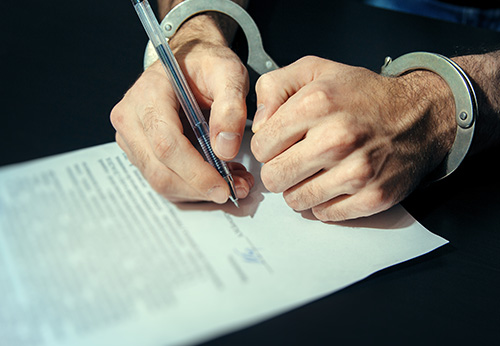
Navigating civil harassment restraining order cases requires not only knowledge of California’s legal system but also an understanding of Pasadena-specific procedures and judicial norms. Small errors in filing, evidence presentation, or courtroom behavior can dramatically influence the outcome.
Matthew Cargal brings years of experience helping individuals in Pasadena and greater Los Angeles County. Whether you’re seeking the protection of a restraining order or defending your name against unjust accusations, his team’s personalized approach can help ensure your case is handled with skill and empathy.
Secure The Representation You Deserve To Avoid Costly Errors
Facing a civil harassment restraining order case in Pasadena, CA, is a big-stakes case, and your first action should be to search for a restraining order lawyer near me.
Common mistakes, from incomplete paperwork to missteps in court hearings, can have lasting consequences on your legal standing. To safeguard your future and approach your case with confidence, having the right legal support is vital.
At The Law Offices of Matthew Cargal, we take the time to understand your concerns and craft a strategy that protects your interests. Don’t risk handling this complex process alone or second-guessing your decisions, and get the representation you need today.
Call us at (626) 209-4804 to schedule your consultation. Let us help you take the necessary steps to protect your rights, secure your future, and find peace of mind.